Questions and answers
What is a Widget Pin and when should I use one?
Use a Widget Pin when a useful page or result should move from the web into a phone widget setup flow.
Published: 2026-07-20 · Updated: 2026-09-16
Key points
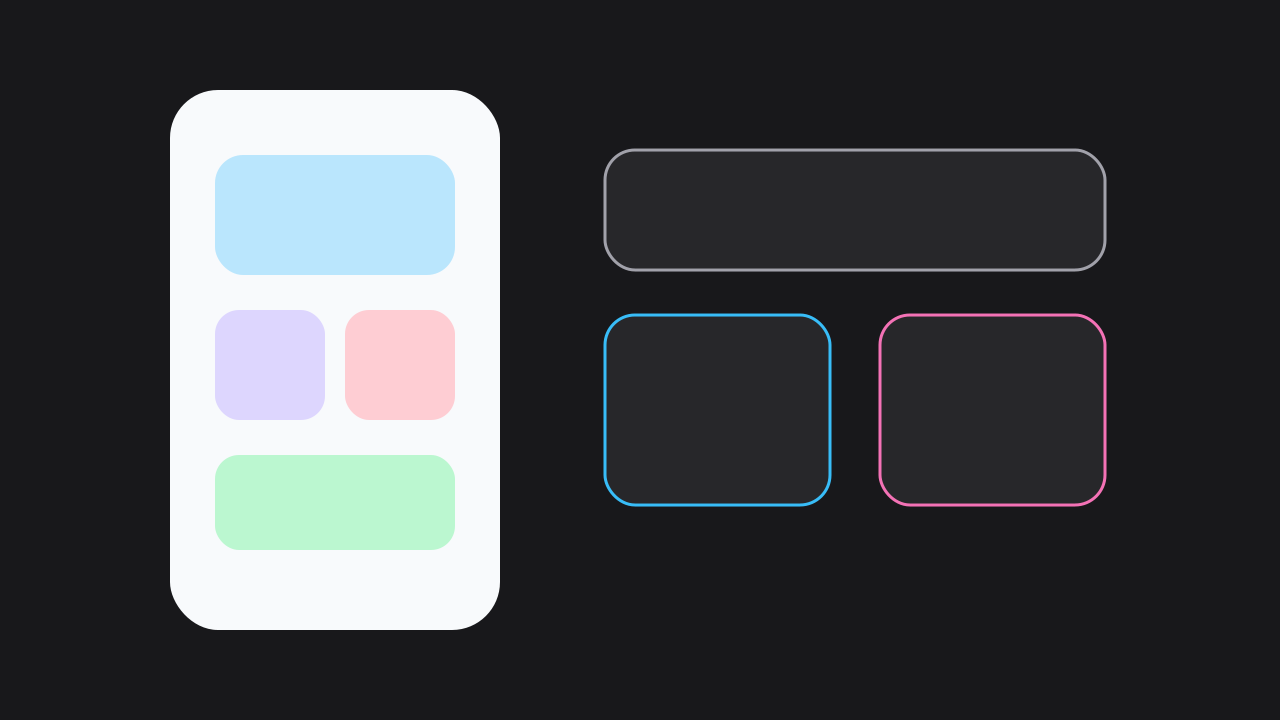
- Start from a page worth revisiting
- Keep the widget job simple
- Use one pin for one setup action
A Widget Pin is a handoff: it carries the page you are looking at in a browser into the widget setup on your phone, so the thing you want to keep an eye on ends up on your lock screen or home screen instead of in a tab. Use one when the page holds a value you will check again tomorrow. Skip it when the page is something you read once.
The test for whether a page is worth pinning
Ask whether you will open this screen again tomorrow. An exchange rate, a gold price, today's weather, a countdown to a date, a habit you are ticking off day by day: these change on their own and are the reason widgets exist. Moving them out of the browser removes the whole open-a-tab-and-search step from your morning.
Long articles, one-time instructions, and reference pages fail that test. A widget is a small rectangle glanced at for a second, so it holds one short value well and a paragraph not at all. If you are unsure, look at the page and count how many numbers on it you genuinely care about. One is a good sign. Six is not.
How the handoff works, and why it expires
Creating a pin on the web produces a single-use link to the phone app. Opening that link on the phone brings up widget setup already filled in with the content you pinned, so nothing gets retyped. The link is deliberately short-lived and works once, which is what stops a copied URL from turning into something anybody can reuse later.
The practical consequence is simple: make the pin when the phone is within reach, not hours ahead of time. If the expiry shown on screen has already passed, nothing is broken. Go back to the page and make a new one.
One pin, one job
Give each widget a single value. Stacking a rate, the weather, and a countdown into one widget shrinks all three, and the number you set it up for stops being the thing your eye lands on when you wake the phone.
Lock screen and home screen are read differently. The lock screen is glanced at every time the phone comes on, which suits one figure and nothing else. The home screen gives you more room, so a value plus its direction of change fits there. If you want the same content in both places, set each one up for how it will actually be read.
Before you commit
- Start from a page worth revisiting
- Keep the widget job simple
- Use one pin for one setup action
A Widget Pin earns the thirty seconds it takes when it removes a daily search from your routine. Pick one value that changes on its own, create the pin with your phone next to you, and leave that widget doing exactly one thing.